Showing posts with label Chastleton House. Show all posts

Tuesday, 23 July 2013

NGS Day July 2013


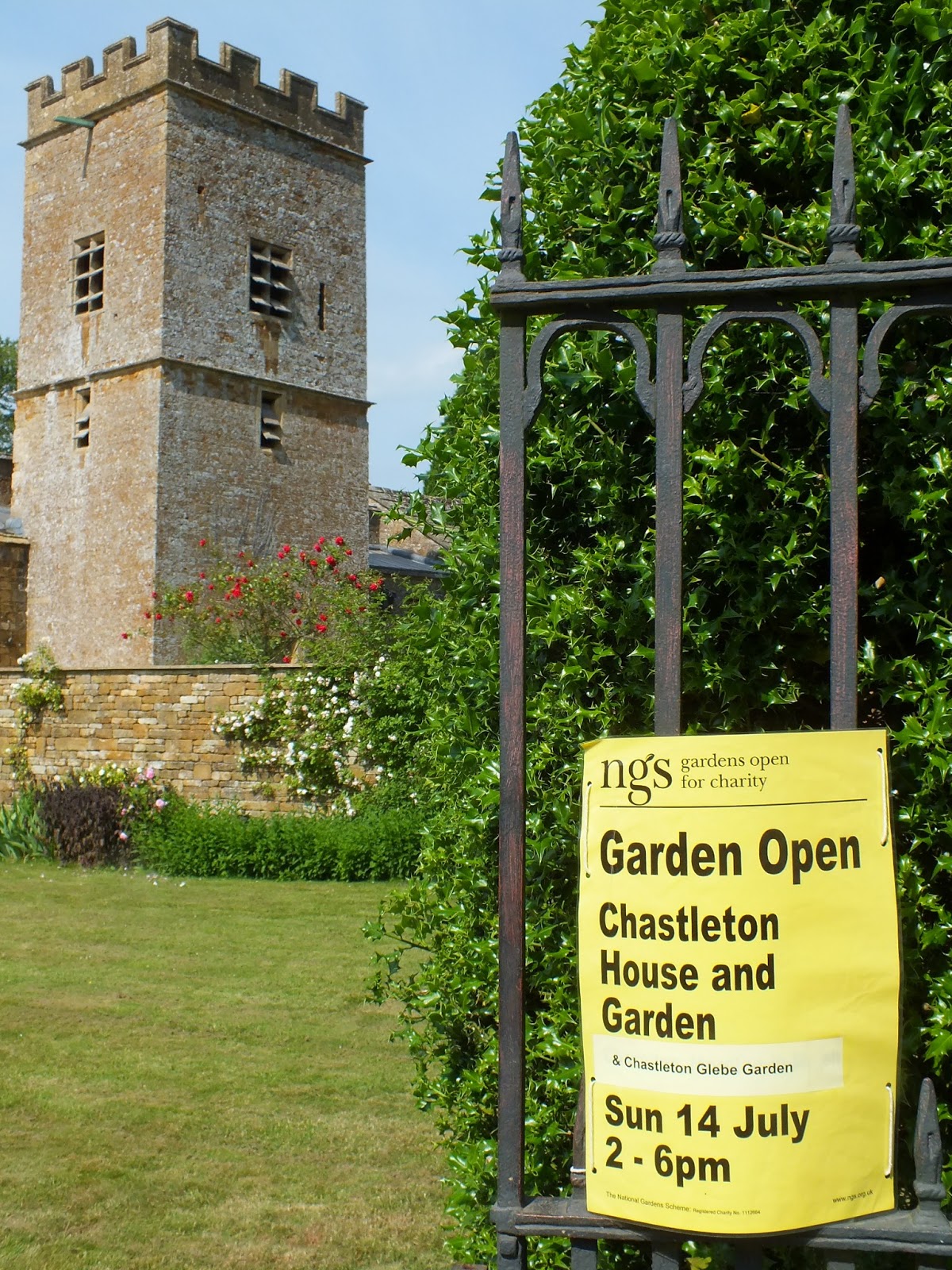
We're always lucky with the weather on NGS Day but, to quote a popular phrase, it certainly was a scorcher this year! We shared the opening with Prue Leith's garden in the village so it was a busy day in Chastleton with visitors going between the two gardens.

Jane, our part-time gardener, and the garden volunteers had all worked really hard to make sure the garden was looking at its best in the days leading up to the event.

The Kitchen Garden

The Best Garden

There was lots going on in the garden - with garden tours, croquet, and a chance to find about Chastleton wildlife; and the plant and produce stalls proved popular amongst visitors.


Jane C by the produce and plant stalls


We took it in turns to man the gate to the garden - luckily a parasol provided some shade!

 Alex and Mary

 Dawn and Julie

The croquet team played all afternoon:


Sallie's table was laid out with leaflets and she talked to visitors about what wildlife they'd seen in the garden:


We took it in turns to sit in the shade in the Kitchen Garden but also tried to carry on gardening despite the heat!

 Julie having a rest in a shady spot but Jane H carries on gardening!


 Straight lines and wigwams in the Kitchen Garden

There were places to cool down though in the Wilderness Garden.


Foxgloves and lilies looking beautiful in the sunshine:


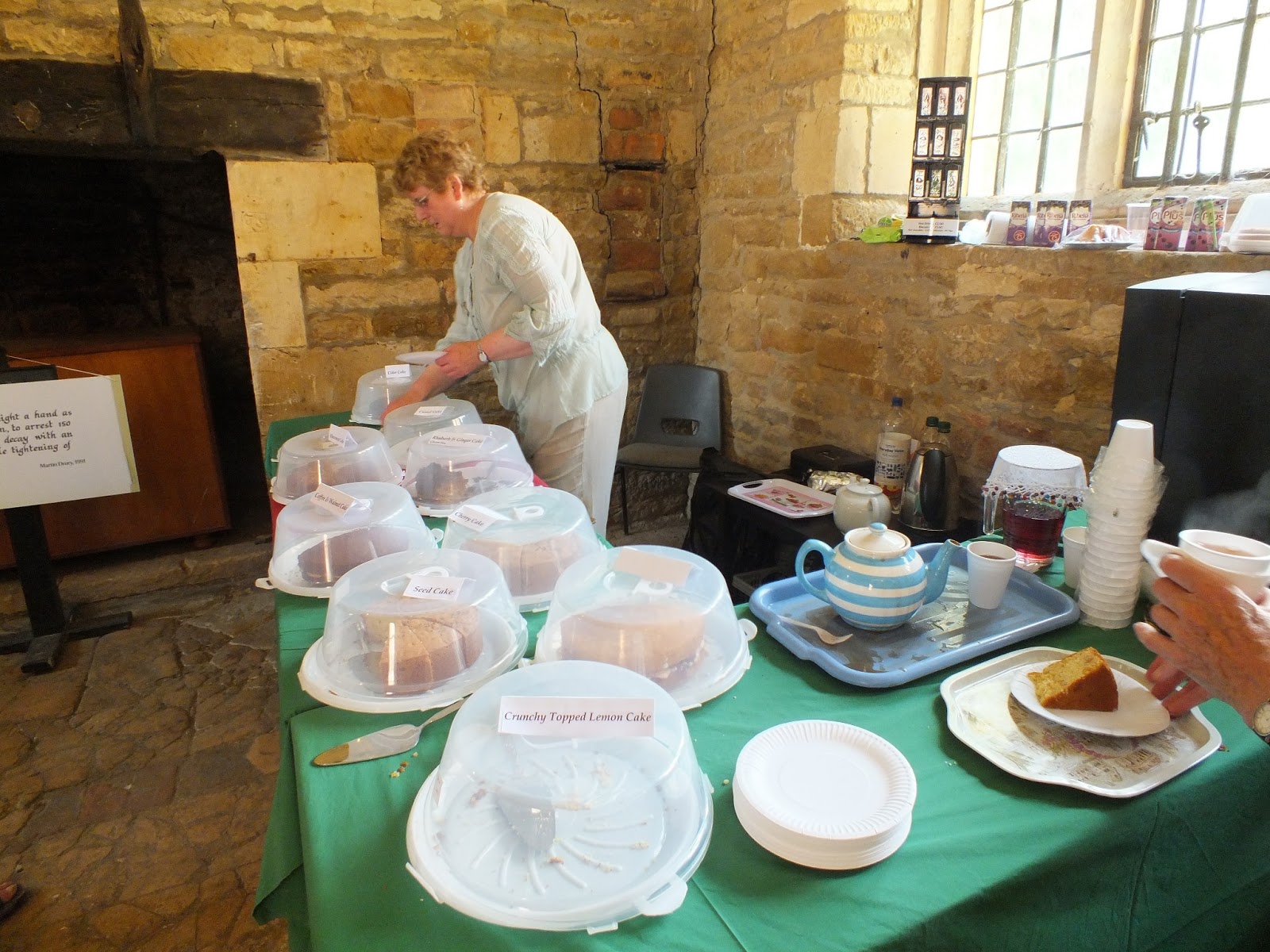
Jean was kept busy in the Brewhouse with drinks and her lovely homemade cakes.

 This must have been a popular cake! Only crumbs left...

 Despite the heat, the volunteers kept on with the topiary cutting schedule.

 Mary, Roger, and Alex mean business!

Alex and Mary

All in all, a successful and enjoyable day and a good sum raised for the NGS charities.

Julie Charlesworth
All photos by John Hackston

Tuesday, 27 March 2012

March 2012

Here are some snapshots of some of the activities going on at Chastleton Garden over March 2012. March has been a busy month with lots of sun and not much rain. We undressed the Agapanthus from their fleece and bubble wrap and put them back out in their open season positions in The Forecourt - a sure sign that spring is here and summer on the way.
Having finished our three pre-season meetings for volunteers we opened to the public on 10/3/12. The lawns are being mowed and strimmed and the croquet lawns are all in good order ready for play next month. We have fed and manured the roses and put a prop under the damson in The Wilderness.
An RHS group from Pershore Horticultural College, led by John Edgeley, held an advanced pruning course in the garden on 3/3/12. Myself and volunteer John Poole attended and the day was a great success. We shared information and tips on care and development of the fruit collection in the garden, while pruning some of the apple and pear trees.
We were delighted to welcome Russell from Langley Boxwood Nursery on the 6/3/12. He came to give us some very helpful advice on the continued restoration and conservation work being done to the topiaries in the garden. We very much enjoyed meeting Russell and sharing knowledge and ideas.

Coralie, Julie, Russell and Mary.

Coralie and Mary have already made a start on getting a bit more definition and shape to the topiaries. We plan to follow a hard pruning regime and underplant with young Box plants to help bulk out the topiaries from underneath. We will also adopt a watering and feeding regime in spring and autumn.


Where the light is getting through to the stems new green growth can already be seen.

My fantastic team of volunteers and I put in the 4 new vegetable beds in The Kitchen Garden - expanding it by approx three times its size. We borrowed Hidcote's plough/rotavator and ploughed and rotavated the 4 beds. Hidcote were very kind and supportive with the loan of their machinery - many thanks all - such a help. Joe lifted the turf with a turf lifter from one of the beds and we used the turf around the garden to do running repairs. Alice, Jane C, Coralie, Julie, Joe, Karl and Jean were all a huge help in clearing, edging, turfing, etc. We continue to finish off the beds and will plant green manures in them in April and then rotavate them later in the year ready for sowing with a mixture of historically appropriate fruit and veg. The cut flower section of the existing Kitchen Garden will be expanded too.

Ploughing and rotavating the new veg beds.


Joe lifting and removing turf from one of the new veg beds.


Anna re-turfing around the garden.

Alex and Mary continued industriously with clearing the large shrubs from The Best Garden ready for re-seeding with grass.
John and Jane C and myself continue to prune and maintain the fruit trees and plants in the garden.

The expanded garden stall is all set up in the stables and being run very efficiently by Coralie with help from fellow stall volunteers. We are still looking for more volunteers to help run the stall so if anyone is interested please get in touch with Chastleton. At the moment we are selling plants and seeds and hope soon to be selling produce from the garden and a few garden tools.

We continue to clear and restore The West Garden and move the herb garden and are busy sowing seeds for veg and cut flowers in the green house for the garden. The tour guides and garden stewards are also doing great work educating the visitors and promoting the garden. We hope to have the garden exhibition up in April and ready for all visitors to enjoy.
Wednesday, 30 November 2011

Welcome to Chastleton Garden

Welcome to Chastleton Garden in a November frost.


Welcome to the new Chastleton Garden blog. Chastleton House and Garden dates back to the early 1600s - the Jacobean period. The House and Garden were originally built by the Jones family between 1607-1612 and were kept in the same family until 1991 when the Trust took on the property. The House and Garden have a unique, ancient and timeless atmosphere. The Trust aims to preserve a feeling of romantic neglect, that reflects the ups and downs of one family coping with caring for a large country house and diminishing estate. Chastleton Garden is open from mid-March to the end of October.

The garden retains its Jacobean layout, apart from having a few gates and doors added to a few of the walls. The garden, like the house, aims to have the feel of stepping back in time into a family home.

The garden is entered by the Forecourt, with its soft, random planting and slightly weedy, unkept drive. The Best Garden has a central feature of old, overgrown Box topiary with amorphous shapes, encircled by a Yew hedge. There is a Kitchen Garden, a Wilderness and Nuttery, croquet lawns, the West Garden and the Stable Yard. The garden is framed with walls with fruit and roses and large hedges.

I arrived as the Trust gardener for the property in March 2010. The garden was prevoiusly maintained by a garden contractor. The idea was to look at restoration and conservation work that needed doing in the garden and to launch the garden as the important historic feature of the property that it is. It was important to raise its profile and bring it more alive with volunteers and visitors. It is an unusual precedent to have to maintain a garden in an informal, 'slightly neglected' way and yet retain interest, health of plants and historical accuracy. So far it has been an exciting journey working at Chastleton. Among some of the things that have been achieved so far are: recruiting volunteers, setting up daily 30min garden 'taster' tours, compost workshops, evening Midsummer Tours, Apple Day, NGS day, croquet engagement, working to rejuvenate all areas of the garden whilst retaining the philosophy of the property, bee keeper talks, talks on birds in the garden, propagating and selling fruit and vegetables from the garden, writing a guide to the garden, giving external talks on the garden, setting up environmentally friendly horticultural practices, etc.

We are at a very exciting stage in the garden this year as we have worked with an historic landscape architect, an archivist and Trust advisors to put together The Conservation Management Plan for the garden. This means the garden will have been thoroughly historically researched and a plan made of how each area of the garden should be presented, what eras it should reflect and how it should be restored and conserved. Watch this space!
Anna - Gardener.